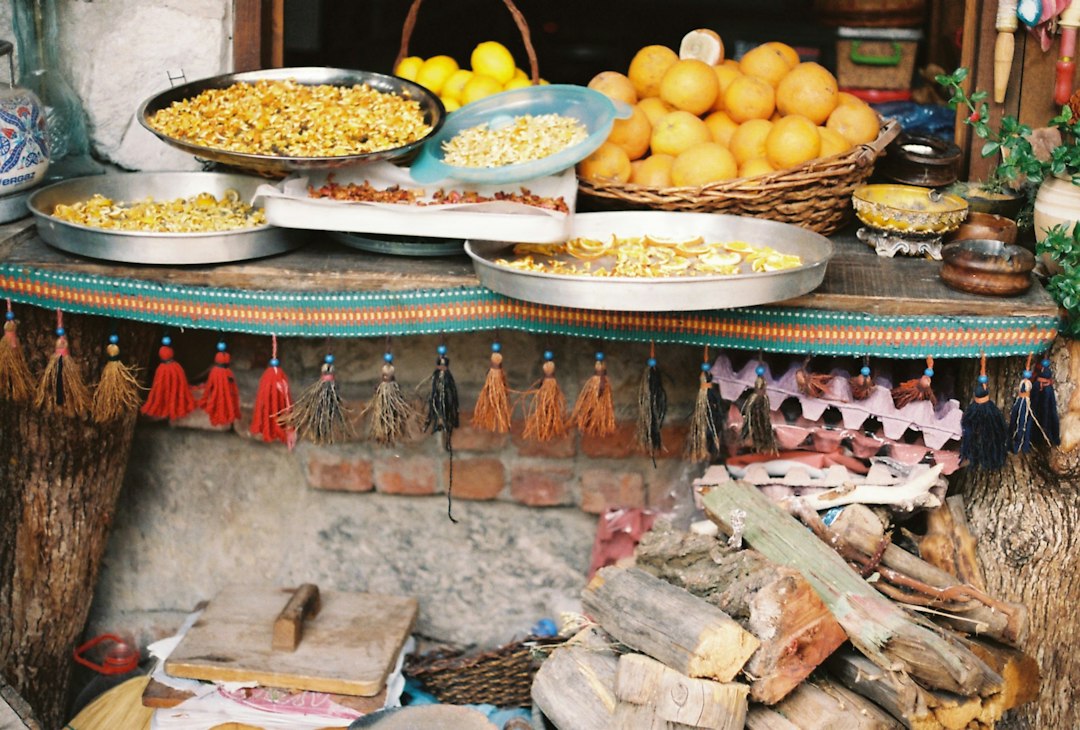
Have you ever planned a trip around a single dish, or found yourself dreaming of a specific flavor from a faraway land? If so, you’re not alone! Food tourism has exploded, evolving from a mere itinerary add-on to the main event itself. In fact, culinary travel is now one of the fastest-growing segments in the hospitality industry, even surpassing wellness and trekking trips. Travelers in 2026 are more eager than ever to connect with cultures through their cuisine, seeking authentic experiences that go beyond traditional sightseeing. So, if your heart (and stomach!) yearns for an epicurean adventure, you’ve come to the right place. Let’s dive into the hottest culinary hotspots and smart tips for your next delicious escapade! 😊
The Global Feast: Top Culinary Destinations of 2026 🤔
The world is brimming with incredible flavors, and in 2026, certain destinations are truly shining for food lovers. International tourist arrivals are projected to hit record levels this year, with global tourism revenue expected to exceed $2 trillion USD. This recovery reflects a significant shift in how and why people travel, with food playing a central role.
Italy continues to be a perennial favorite, consistently ranking high for its unparalleled culinary heritage. Regions like Tuscany and Umbria are celebrated for their farm-to-table dining, exquisite wines, and slow food culture, offering a less performative and more personal experience. Emilia-Romagna, often dubbed the “Food Valley,” is a must-visit for its PDO and PGI products, from Parmigiano Reggiano to traditional balsamic vinegar. UNESCO even added Italian cooking to its Intangible Cultural Heritage of Humanity list in 2025, a testament to its global significance.

Japan, particularly Kyoto and Tokyo, remains a magnet for food enthusiasts. Kyoto offers a philosophical approach to food with its multi-course kaiseki dining and deeply seasonal cuisine, while Tokyo boasts an astonishing 160 Michelin-starred restaurants, including 12 three-star establishments, making it a world record holder. Beyond fine dining, Japan’s vibrant food districts and traditional tea culture provide immersive experiences.
Mexico has topped lists as a leading food destination, praised for its rich blend of indigenous traditions and Spanish heritage. Oaxaca, in particular, stands out with a culinary history spanning 3,000 years, offering unique moles and artisanal mezcal. Mexico City’s dynamic restaurant scene and incredible street food also make it a foodie paradise.
Lima, Peru, is consistently recognized as the “Gastronomic Capital of South America,” home to innovative fine dining and the freshest ceviche. It has produced two of the last three World’s Best Restaurant titles!
Beyond the Plate: Emerging Food Travel Trends 📊
Food travel in 2026 isn’t just about where you eat, but how you eat and what you learn along the way. Travelers are increasingly seeking hands-on culinary experiences that offer a deeper connection to local culture.
This trend includes everything from joining chefs to shop for seasonal ingredients at a French market, to taking a crash course in Baja ingredients, or learning traditional pasta-making techniques in an intimate Italian cooking space. Cooking classes are a fantastic way to immerse yourself, offering not just a meal but a skill and a story to bring home.
Sustainable Food Tourism: Eating Responsibly
A significant trend shaping food travel is the growing emphasis on sustainability. Conscious travelers are prioritizing local, seasonal, and ethically produced food to support local economies and reduce their environmental footprint. This means choosing restaurants that prioritize farm-to-table practices, minimize food waste, and use low-impact transportation for their ingredients.
| Sustainable Food Travel Tip | Why It Matters | How to Implement |
|---|---|---|
| Embrace Local & Seasonal | Reduces carbon footprint, supports local farmers, fresher taste. | Visit farmers’ markets, choose farm-to-table restaurants. |
| Minimize Food Waste | Reduces environmental impact and conserves resources. | Order mindfully, use apps like Too Good To Go (where available). |
| Support Local Businesses | Boosts local economy and preserves culinary heritage. | Dine at family-run restaurants, buy from small producers. |
| Consider Plant-Based Options | Lower carbon footprint than meat-heavy dishes. | Seek out vegetarian/vegan restaurants or menu items. |
While Michelin stars are still prestigious, some of the most memorable culinary experiences come from local markets, street food stalls, and neighborhood eateries that offer a true cultural connection. Don’t be afraid to explore beyond the acclaimed restaurants!
Key Checkpoints: Remember These Essential Tips! 📌
You’ve made it this far, fantastic! With so much delicious information, it’s easy to get lost. Let’s quickly recap the absolute must-knows for your next food-focused adventure. Keep these three points in mind:
-
✅
Prioritize Authenticity & Immersion
The best food travel experiences come from engaging directly with local culture through cooking classes, market visits, and traditional eateries. -
✅
Embrace Sustainable Choices
Support local, eat seasonal, and minimize waste to make a positive impact on the communities you visit. -
✅
Research Beyond the Obvious
While popular destinations are great, delve into emerging culinary hotspots and explore street food or “supermarket safaris” for unique finds.
More Culinary Journeys: Exploring Hidden Gems 👩💼👨💻
While Italy, Japan, and Mexico are culinary giants, 2026 also highlights exciting emerging destinations and unique experiences. Crete, Greece, has been designated the European Region of Gastronomy for 2026, putting a well-deserved spotlight on its centuries-old food culture, exceptional olive oil, and hyper-local produce. Similarly, cities like Rouen in France, Bergen in Norway, and Seville in Spain are gaining recognition for their new food movements and focus on local producers.
Don’t overlook the trend of “supermarket safaris” either! A 2026 Skyscanner report indicates that travelers are increasingly opting for grocery store visits over traditional restaurant reservations to discover local brands, unique flavors, and feel more like a local. Many even buy local snacks and pantry items as souvenirs, proudly sharing their “haul videos” on social media.
The Middle East has experienced some of the fastest post-pandemic tourism growth, with emerging culinary scenes in places like Saudi Arabia surprising many with their unique offerings. Keep an eye on these evolving gastronomic landscapes!
Real-World Example: A Sustainable Street Food Adventure 📚
Imagine planning a trip to Bangkok, Thailand, a city renowned for its vibrant street food culture, which even boasts Michelin-starred street food. Here’s how you might incorporate some of these tips:
The Foodie’s Scenario
- **Destination**: Bangkok, Thailand
- **Goal**: Experience authentic street food sustainably and immerse in local culinary traditions.
Planning Your Culinary Immersion
1) **Research Local Markets**: Before you go, identify popular local markets like Or Tor Kor Market or Chatuchak Weekend Market. Look for vendors who emphasize fresh, seasonal ingredients.
2) **Book a Street Food Tour**: Consider a guided street food tour. These tours often take you to hidden gems, explain the cultural significance of dishes, and connect you with local vendors.
3) **Seek Sustainable Practices**: Look for stalls that use reusable dishware or minimize single-use plastics. Ask about sourcing – many local vendors pride themselves on fresh, regional produce.
4) **Try a Cooking Class**: Participate in a Thai cooking class to learn how to prepare iconic dishes like Pad Thai or Green Curry, deepening your understanding of the cuisine.
Anticipated Results
– **Authentic Experience**: You’ll taste dishes prepared with generations of tradition, directly from the source.
– **Cultural Connection**: You’ll interact with locals, learn about their food stories, and support small businesses.
By following these steps, your Bangkok food adventure transforms from a simple meal into a rich, educational, and responsible journey. You’ll not only savor incredible flavors but also contribute positively to the local community.
Wrapping It Up: Your Next Delicious Adventure Awaits! 📝
As we’ve explored, the world of food travel in 2026 is more exciting and diverse than ever. From the established culinary powerhouses of Italy and Japan to the vibrant street food scenes of Mexico and Bangkok, and the emerging gastronomic regions like Crete, there’s a feast waiting for every palate.
Remember to embrace authenticity, seek out sustainable choices, and don’t be afraid to venture beyond the usual tourist spots. Your next unforgettable culinary journey is just a flight (or train ride!) away. What delicious destination will you explore next? Let us know in the comments below! 😊