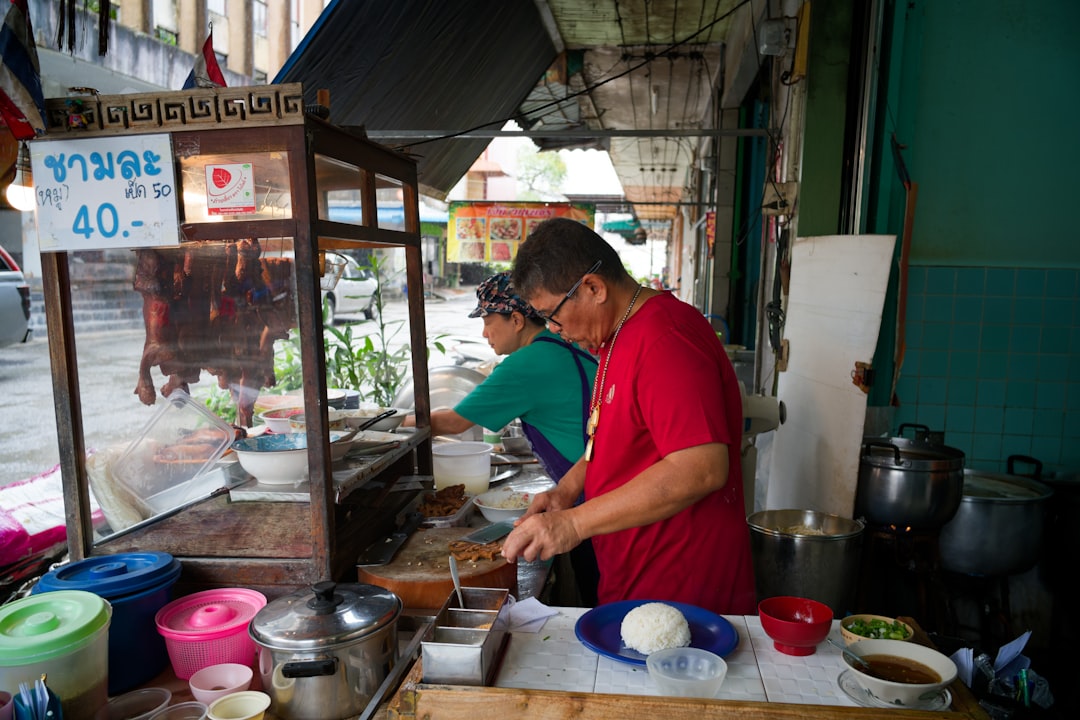
Have you ever planned a trip around a single dish? Or found yourself dreaming of vibrant street food stalls in a faraway land? If so, you’re not alone! Food travel has exploded in popularity, becoming a primary driver for nearly 80% of travelers when choosing their next destination. It’s no longer just about seeing the sights; it’s about tasting the culture, one delicious bite at a time. But with so many incredible places to explore, how do you pick? And how do you make sure your culinary journey is both unforgettable and responsible? Let’s dive in! 😊
The Hottest Culinary Destinations of 2026 🤔
The world is brimming with incredible food scenes, and 2026 is shaping up to be a fantastic year for foodies. Travelers are increasingly seeking authentic, local experiences over high-end dining, with 66% excited about street food and 64% preferring unique local spots over Michelin-starred restaurants. This shift means hidden gems and bustling markets are taking center stage!
According to recent reports, several cities and regions are topping the charts for their exceptional culinary offerings:
- Tokyo, Japan: Still a global standard for eating well, with the most Michelin stars and a deep commitment to perfecting every dish.
- Bangkok, Thailand: A street food paradise offering incredible depth and variety, where the best meals often happen at plastic chairs on sidewalks.
- Mexico City, Mexico: One of the world’s most exciting food scenes, where everyday street food is as essential as high-end dining.
- Naples, Italy: The birthplace of pizza, rooted in tradition and exceptional ingredients, offering bold, generous, and accessible food.
- Lima, Peru: South America’s culinary capital, renowned for its vibrant flavors.
- Boston, USA: Recognized by Condé Nast Traveler as one of the top 10 food cities for 2026, pushing beyond its traditional seafood and steak reputation.
- Amalfi Coast, Italy: Praised for spectacular scenery, fresh seafood, and limoncello.
- The US South (e.g., New Orleans, Nashville, Charleston): Offering plenty of great food, from classic American dishes to unique regional specialties.
Beyond these culinary hotspots, popular travel destinations for 2026 include Maine (USA), Sri Lanka, Finland, Peru, and Vietnam, all offering unique local flavors to discover.
Emerging Food Travel Trends You Can’t Miss 📊
The culinary travel landscape is constantly evolving, with new trends shaping how we experience food abroad. Here’s what’s cooking for 2026:
- Immersive Culinary Experiences: Travelers are moving beyond just eating to actively participating. Think guided market and street food tours, cooking classes with local chefs, farm-to-table meals, and visits to wineries or food festivals.
- Local Snacks as Souvenirs: Forget the fridge magnets! The new travel souvenir is a carry-on full of local cookies, chips, and condiments. Travelers are proudly posting “haul videos” on TikTok, rating everything from Cuban sodas to Mexican candy, and using these edible mementos to relive their trips at home.
- Interactive Dining: Chef’s tables, storytelling menus, and customizable tasting flights are gaining traction, offering diners more control and a sensory-rich experience.
- Global Flavors with Cultural Specificity: The trend is moving beyond broad regional categories to embrace precise cultural identities. It’s not just “Asian cuisine,” but distinctly Filipino, Laotian, or Peruvian preparations.
- Michelin-Inspired Trends: Michelin Guide inspectors note a rise in char, smoke, and flame cooking, a revisiting of classic dishes, and an emphasis on bitterness and umami flavors through ingredients like endive, radicchio, and fermentation.
These trends highlight a desire for deeper connection and authentic storytelling through food, making every meal a memorable part of your journey.
Traveler Behavior & Economic Outlook (2025-2026)
| Category | 2025-2026 Trend/Statistic | Implication for Food Travelers |
|---|---|---|
| Travel Intent | 93% of Americans plan to travel in 2026. Over 50% traveled during the 2025-2026 holiday season, the highest since the pandemic. | High demand for travel means popular food destinations might be crowded; plan ahead! |
| Budget Prioritization | 49% of Americans prioritize travel in their budgets. 17% would go into debt for a vacation. | Travelers are willing to spend on experiences, including unique culinary ones. |
| Conservative Approach | Many are cutting trip frequency/length, distance, accommodation class, and in-destination activities. | Focus on value and smart spending for food experiences. |
| AI in Travel Planning | 30% of Americans will use AI to plan travel in 2026. | Utilize AI tools to find local eateries, hidden gems, and budget-friendly food options. |
International inbound arrivals to the U.S. declined by 4.2% in early 2026, and a weakening U.S. dollar means your money might not go as far abroad. This makes smart budgeting and local spending even more crucial for international food adventures.
Key Checkpoints: Remember These Food Travel Essentials! 📌
Made it this far? Awesome! With so much delicious info, let’s quickly recap the most important takeaways for your next food-focused adventure. Keep these three points in mind:
-
✅
Embrace Local & Authentic Experiences:
Prioritize street food, local markets, and unique neighborhood eateries over tourist traps or overly fancy restaurants. This is where the true culture and flavors reside. -
✅
Travel Sustainably & Responsibly:
Support local farmers and businesses by choosing seasonal, ethically sourced ingredients and plant-based options. Minimize waste by bringing reusables. -
✅
Master Budget-Friendly Food Hacks:
Cook some of your own meals, take advantage of lunch specials, and always seek out recommendations from locals for the best (and cheapest) eats.
Smart Food Travel Tips for Every Budget 👩💼👨💻
Eating well doesn’t have to break the bank. With a little planning and some insider knowledge, you can enjoy incredible culinary experiences without overspending. Here are some of my favorite tips:
- Hit the Streets (and Markets!): Street food is often the most authentic, delicious, and budget-friendly option. Look for stalls with long lines of locals – that’s usually a good sign! Local markets are also fantastic for fresh produce and ready-to-eat snacks.
- Cook Your Own Meals: If your accommodation has a kitchen (think hostels, Airbnbs), take advantage! Buying groceries from local supermarkets and cooking some of your meals can significantly cut down on costs, especially in more expensive regions like Western Europe.
- Lunch is Your Best Friend: Many restaurants offer lunch specials that are much cheaper than their dinner counterparts, often featuring the same high-quality dishes. Make lunch your main meal and opt for lighter, cheaper options for dinner.
- Go Where the Locals Go: Avoid restaurants directly in major tourist areas, as they often have inflated prices and lower quality. Wander a few blocks away, look for handwritten menus, or ask locals for their favorite spots.
- Pack Smart: Always carry a reusable water bottle and some snacks. This prevents impulse buys of overpriced drinks and keeps “hangry” moments at bay.
- Embrace Takeout: Ordering food to-go can sometimes be cheaper than dining in, especially if you’re trying to save on beverages.
- Utilize Apps and Local Knowledge: Apps like Yelp or The Fork can offer local recommendations. Don’t hesitate to ask hotel staff, taxi drivers, or even students for their favorite cheap eats.
Consider destinations where your dollar stretches further. Cities like Rio de Janeiro, Beijing, and Denpasar (Bali) are noted for their affordable dining options, allowing you to try iconic local dishes without breaking the bank.
Sustainable Sips & Bites: Travel Responsibly 📚
As conscious travelers, it’s vital to ensure our culinary adventures benefit both the environment and local communities. Sustainable food tourism is about making choices that honor the destination’s culture, economy, and ecological footprint.

How to Be a Sustainable Food Traveler
- Choose Local & Seasonal: Opt for restaurants and markets that prioritize locally sourced, seasonal, and ethically produced ingredients. This reduces transportation emissions and supports local farmers.
- Reduce Waste: Carry reusable water bottles, coffee cups, cutlery, and even food containers to avoid single-use plastics.
- Embrace Plant-Based Options: Reducing meat intake is a significant step towards a more sustainable diet, as plant-based meals have a considerably lower environmental footprint.
- Support Sustainable Businesses: Research restaurants with sustainable certifications or those that clearly communicate their commitment to ethical sourcing and waste reduction.
- Ask Questions: Don’t hesitate to ask staff about where their food comes from and their sustainability practices.
The Impact of Your Choices
1) By choosing “farm-to-table” options, you directly support small farmers and local businesses, contributing to the local economy.
2) Opting for local produce reduces the environmental impact of long-distance transportation.
3) Your choices help preserve cultural food traditions and biodiversity.
Every meal is an opportunity to make a positive impact. By being mindful of our food choices, we can ensure that our travels are not only delicious but also responsible and respectful of the places we visit.
Wrapping Up: Your Next Culinary Journey Awaits! 📝
From the bustling street food scenes of Bangkok and Mexico City to the sustainable farm-to-table experiences in Italy, the world is truly your oyster (or taco, or ramen bowl!). Food travel in 2026 is all about authenticity, immersion, and making conscious choices that enrich both your experience and the communities you visit. So, go ahead, plan that trip around that one dish you’ve always wanted to try, or let your taste buds lead the way to an unexpected adventure!
What’s your dream food destination for 2026? Share your thoughts and questions in the comments below – I’d love to hear from you! Happy travels and happy eating! 😊