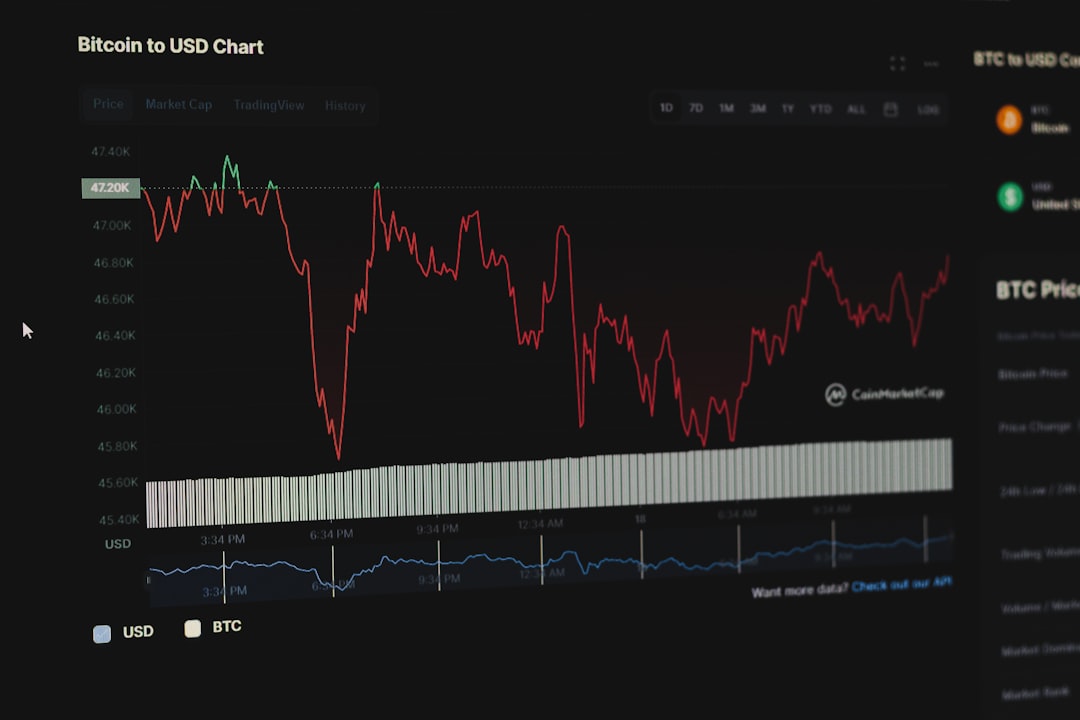
Ever felt the thrill of the market, wishing you could capture those fleeting price swings for quick profits? Many traders dream of consistent, small gains that accumulate over time. Today, we’re diving deep into one such strategy: FX Scalping. It’s a fast-paced approach that, when executed correctly, can be incredibly rewarding. Ready to explore how you can tap into this dynamic world? Let’s go! 😊
What Exactly is FX Scalping? 🤔
FX scalping is a popular trading strategy in the foreign exchange market where traders aim to make small profits from minor price changes. Unlike long-term strategies, scalpers open and close a large number of trades within very short timeframes, often minutes or even seconds. The goal is to accumulate many small wins, rather than waiting for large price movements. This high-volume, low-profit-per-trade approach requires intense focus and quick decision-making.
Think of it like picking up pennies in front of a steamroller – if you’re quick and careful, you can gather a lot. But if you’re slow, it can be risky. Scalpers typically rely on real-time market data, technical analysis, and often use automated systems to identify and execute trades rapidly.

Scalping thrives on market liquidity and volatility. Major currency pairs like EUR/USD, GBP/USD, and USD/JPY are often favored by scalpers due to their tight spreads and high trading volumes, which allow for easier entry and exit.
Why Scalping? Understanding the Appeal & Market Trends 📊
The appeal of scalping lies in its potential for quick and frequent profits, along with reduced exposure to significant market shifts due to short holding times. In recent years, the forex market has continued to see substantial activity. For instance, the average daily trading volume in the global FX market reached $7.5 trillion in April 2022, up from $6.6 trillion in April 2019, indicating a robust and liquid environment for strategies like scalping.
Furthermore, the increasing adoption of algorithmic trading and high-frequency trading (HFT) systems has created an even faster-paced market. While this can increase competition, it also means more rapid price movements that scalpers can potentially exploit. The ability to quickly enter and exit positions minimizes overnight risk and exposure to major news events, which is a significant draw for many traders.
Scalping vs. Other Trading Styles
| Category | Scalping | Day Trading | Swing Trading |
|---|---|---|---|
| Holding Period | Seconds to Minutes | Hours (within a day) | Days to Weeks |
| Profit Target | Few Pips | Tens of Pips | Hundreds of Pips |
| Number of Trades | Many | Several | Few |
| Risk Exposure | Low per trade, high frequency | Moderate | Higher (overnight risk) |
While appealing, scalping demands strict discipline, robust risk management, and quick reflexes. High transaction costs (spreads and commissions) can quickly erode profits if not managed carefully.
Key Checkpoints: This is What You Must Remember! 📌
Have you followed along well so far? As the article is long, here’s a recap of the most important points. Please remember these three things above all else.
-
✅
Scalping is about small, frequent gains.
Instead of waiting for large market movements, scalpers aim to profit from numerous tiny price fluctuations. -
✅
Discipline and quick execution are crucial.
The fast-paced nature of scalping demands strict adherence to your trading plan and rapid decision-making. -
✅
Risk management is paramount.
Given the high volume of trades, proper stop-loss orders and position sizing are essential to protect your capital.
Essential Tools and Techniques for Successful Scalping 👩💼👨💻
To succeed in scalping, traders often employ a combination of technical indicators and precise execution techniques. Understanding market microstructure and order flow can give scalpers an edge. Common indicators include Moving Averages (especially short-period ones), Bollinger Bands, Relative Strength Index (RSI), and Stochastic Oscillators, all used on very low timeframes (1-minute or 5-minute charts).
Beyond indicators, having a broker with tight spreads and fast execution is critical. Direct Market Access (DMA) and Electronic Communication Networks (ECNs) can provide faster order routing, reducing slippage which is particularly detrimental to scalping strategies where every pip counts. Automated trading systems (Expert Advisors or EAs) are also popular, as they can execute trades much faster than a human, adhering strictly to predefined rules.
Always practice your scalping strategy on a demo account before risking real capital. The psychological demands of scalping are high, and consistent practice helps build the necessary discipline and speed.
A Practical Example: Scalping in Action 📚
Let’s consider a hypothetical scalping scenario with the EUR/USD pair, a favorite among scalpers due to its high liquidity.
Trader Sarah’s Situation
- **Currency Pair:** EUR/USD
- **Timeframe:** 1-minute chart
- **Indicators:** 5 & 10 period Moving Averages (MAs), RSI (14)
- **Capital:** $5,000
Trading Process
1) **Entry Signal:** Sarah observes the 5-period MA crossing above the 10-period MA on the 1-minute chart, while the RSI is rising from oversold territory (below 30). She believes a short-term upward momentum is forming.
2) **Execution:** At 10:05 AM, EUR/USD is trading at 1.0850. Sarah quickly places a “buy” order for 1 standard lot (100,000 units). She sets a tight stop-loss at 1.0847 (3 pips below) and a take-profit at 1.0853 (3 pips above).
3) **Exit:** Within 45 seconds, the price moves to 1.0853, hitting her take-profit target. Her order is automatically closed.
Final Result
– **Profit:** 3 pips x $10/pip (for 1 standard lot) = $30
– **Time in Trade:** Less than 1 minute
This example illustrates how Sarah made a small profit in a very short period. By repeating this process multiple times throughout the day, these small gains can accumulate into a significant daily profit. However, it’s crucial to remember that losses can also accumulate quickly, emphasizing the need for strict risk management and quick exits on losing trades.
Conclusion: Summarizing the Core Content 📝
FX scalping is undoubtedly one of the most dynamic and potentially rewarding trading strategies in the forex market. It offers the allure of quick profits and reduced market exposure, but it demands unparalleled focus, discipline, and efficient execution. As the market continues to evolve with increasing automation and liquidity, the principles of effective scalping remain crucial for those who dare to master it.
Remember, while the potential for profit is real, so are the risks. Thorough practice, a solid trading plan, and unwavering discipline are your best allies. What are your thoughts on scalping, or perhaps you have questions about getting started? Feel free to ask in the comments below! 😊