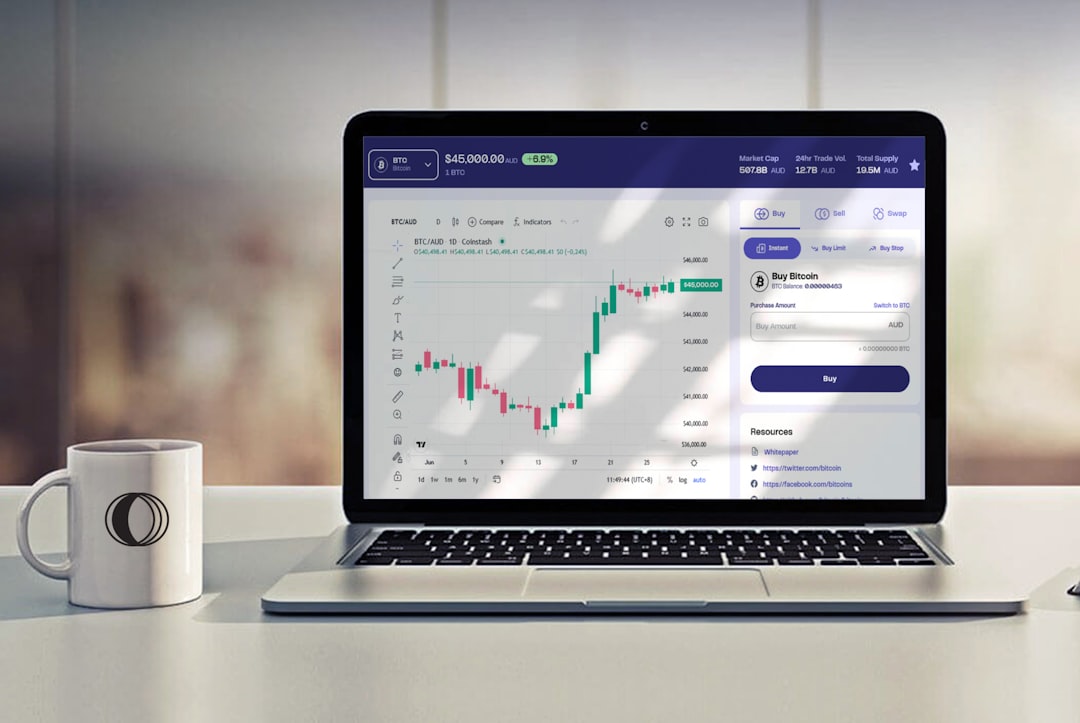
Have you ever felt caught between the rapid-fire decisions of day trading and the slow burn of long-term investing? Many aspiring traders find themselves in this exact dilemma, searching for a strategy that offers both dynamic opportunities and manageable risk. That’s where swing trading comes in! It’s a fantastic middle-ground approach that allows you to capitalize on short-to-medium term price movements, without the intense pressure of daily market watching. In this post, we’ll dive deep into swing trading, explore the latest trends shaping its effectiveness, and equip you with the knowledge to potentially grow your portfolio. Ready to ride the market’s waves? Let’s get started! 😊
Understanding Swing Trading: The Basics 🤔
Swing trading is a strategy that aims to capture profits from price swings in the stock market. Unlike day traders who close all positions by the end of the trading day, swing traders typically hold their positions for several days, or even a few weeks, to profit from these anticipated price movements. It’s all about identifying a stock’s short-term trend, entering a trade, and exiting once the “swing” has played out, often before a reversal occurs.
This method focuses heavily on technical analysis, using charts and indicators to predict potential price direction. It requires patience and a keen eye for patterns, but it avoids the high frequency and stress often associated with day trading. You’re essentially looking for stocks that are likely to move significantly in one direction over a short period.
Swing trading can be particularly effective in volatile markets, as larger price swings provide more opportunities for profit. However, it also means managing risk carefully!
Key Indicators & Tools for Swing Traders 📊
Successful swing trading relies heavily on understanding and utilizing the right technical indicators. These tools help traders identify entry and exit points, gauge momentum, and assess potential reversals. Some of the most popular and effective indicators include:
- Moving Averages (MAs): Often used to identify trends and potential support/resistance levels. The 50-day and 200-day simple or exponential moving averages are common.
- Relative Strength Index (RSI): A momentum oscillator that measures the speed and change of price movements. It helps identify overbought or oversold conditions.
- Moving Average Convergence Divergence (MACD): Another momentum indicator that shows the relationship between two moving averages of a security’s price. It can signal trend changes.
- Bollinger Bands: These volatility bands provide a relative definition of high and low prices. Prices tend to stay within the bands, and a move outside can signal a continuation or reversal.
- Volume: Often overlooked, volume confirms the strength of a price movement. High volume on a breakout, for example, suggests stronger conviction.
It’s crucial to remember that no single indicator tells the whole story. Combining multiple indicators provides a more robust analysis and helps confirm trading signals. Many traders use platforms like TradingView or Thinkorswim for their advanced charting capabilities and indicator libraries.
Swing Trading vs. Other Strategies
| Category | Swing Trading | Day Trading | Long-Term Investing |
|---|---|---|---|
| Holding Period | Days to Weeks | Intraday (minutes to hours) | Months to Years |
| Frequency | Moderate | High | Low |
| Analysis Focus | Technical (charts, indicators) | Technical (real-time data) | Fundamental (company financials) |
| Risk Level | Moderate | High | Low to Moderate |
Swing trading involves overnight and weekend risk, as market-moving news can occur when markets are closed, leading to significant price gaps. Always use stop-loss orders to manage potential losses.
Key Checkpoints: Don’t Forget These! 📌
Have you followed along so far? If the article is long and you might forget, let’s recap the most important points. Please remember these three things.
-
✅
First Key Takeaway: Swing Trading’s Sweet Spot
Swing trading offers a balanced approach, capturing profits from short-to-medium term price movements (days to weeks) without the intense intraday focus of day trading. -
✅
Second Key Takeaway: The Power of Technicals
Technical analysis is your compass in swing trading, utilizing indicators like Moving Averages, RSI, and MACD to identify potential entry and exit points. -
✅
Third Key Takeaway: Risk Management is Non-Negotiable
Always implement strict risk management, including stop-loss orders, to protect your capital from adverse market movements and overnight gaps.
Current Trends and Market Insights for 2026 👩💼👨💻
As of mid-2026, the stock market continues to be influenced by a confluence of factors, making swing trading both challenging and potentially rewarding. Increased market volatility remains a dominant theme, driven by ongoing geopolitical developments, evolving interest rate policies from central banks like the Federal Reserve, and shifting inflation expectations. This heightened volatility creates more pronounced “swings” for traders to capitalize on, but it also demands a more disciplined approach to risk management.
Technological advancements are also playing a significant role. The rise of sophisticated AI and algorithmic trading tools, once exclusive to institutional players, is now more accessible to retail traders. These tools can assist in identifying patterns, analyzing vast amounts of data, and even automating trade execution, though human oversight remains critical. Furthermore, sector rotations, where money flows rapidly between different industries based on economic cycles or news, present frequent swing opportunities. Traders are closely watching sectors like renewable energy, artificial intelligence, and specialized technology, which have shown significant momentum.
Stay informed about macroeconomic data releases (e.g., CPI, employment reports) and corporate earnings. These events often act as catalysts for significant price swings and can present prime swing trading opportunities.
Practical Example: Identifying a Swing Trade Setup 📚

Let’s walk through a hypothetical example to illustrate how a swing trade might be identified and executed. Imagine it’s early June 2026, and you’re scanning for opportunities.
Case Study Scenario: “Tech Growth Inc.” (TGI)
- Detail 1: TGI stock has been in a clear uptrend for the past three months, but recently pulled back to its 50-day Exponential Moving Average (EMA).
- Detail 2: The Relative Strength Index (RSI) has dropped from an overbought level (above 70) to around 40, suggesting a healthy pullback rather than a trend reversal.
- Detail 3: Volume during the pullback was lower than average, indicating less selling pressure.