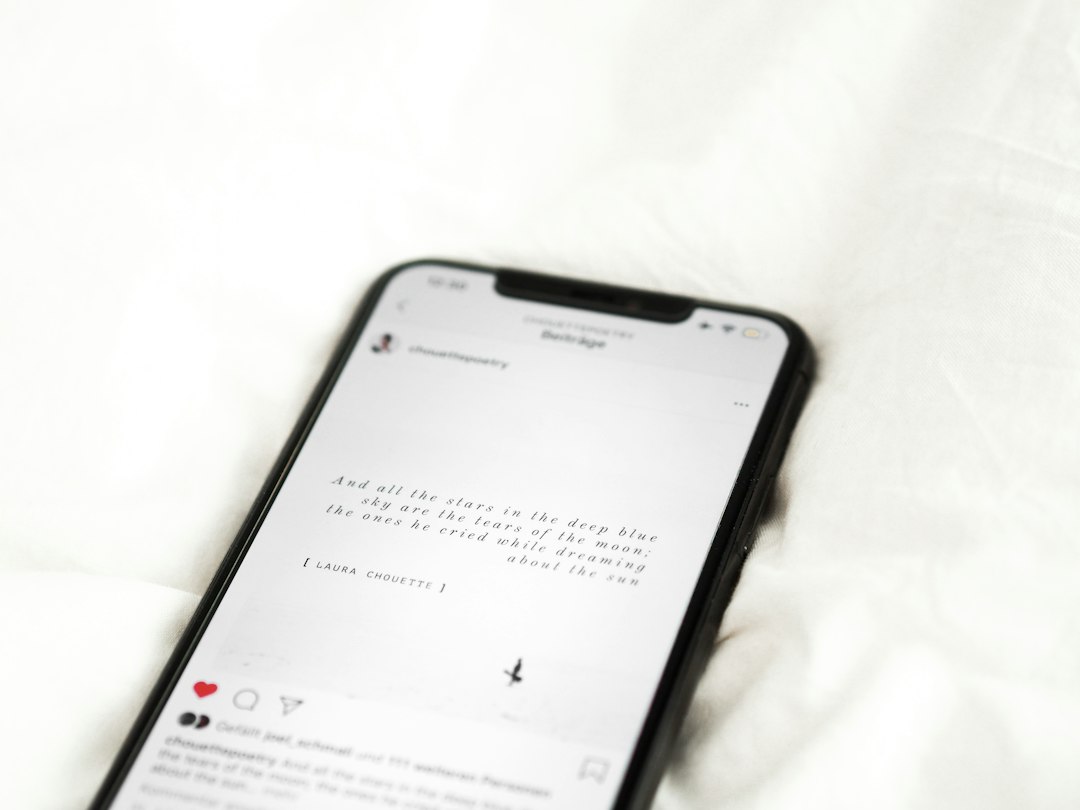
Have you ever scrolled through your feed, seeing creators living their best lives, and thought, “Could that be me?” In 2026, the dream of becoming an influencer is more accessible, yet more competitive, than ever before. The creator economy is booming, transforming hobbies into lucrative careers for millions. But how do you stand out amidst the endless stream of content? This article will dive deep into the current landscape of YouTube, Instagram, TikTok, and Facebook, equipping you with the latest insights and actionable strategies to kickstart or accelerate your influencer journey. Let’s unlock your potential! 😊
The Exploding Creator Economy: A 2026 Snapshot 🤔
The influencer marketing industry is experiencing unprecedented growth. It reached an impressive $32.55 billion in 2025 and is projected to surpass $40 billion in 2026. This incredible expansion highlights the increasing value brands place on authentic creator-led content. In fact, the broader creator economy, encompassing all forms of online content monetization, is projected to hit $313.95 billion in 2026 and could skyrocket to approximately $2084.57 billion by 2035.
Marketers are clearly on board, with 74% planning to increase their influencer marketing budgets in 2026. Why? Because creator content delivers! A staggering 80% of marketers report that content from creators outperforms their own brand-created assets. Brands are seeing an average return of $5.78 for every $1 invested in influencer campaigns. This robust growth signals a golden era for aspiring influencers who understand how to connect with audiences and deliver value.
Consumer trust in influencers has steadily climbed, reaching 67% in 2026, up from 61% in 2025. For Gen Z, this trust is even higher, with 94% trusting influencers more than traditional advertising. This emphasizes the critical role authenticity plays in today’s digital landscape.
Choosing Your Arena: Platforms & Niche Selection 📊
With multiple platforms vying for creator attention, choosing where to focus your efforts is crucial. Each platform offers unique strengths and audience demographics. Instagram currently leads in creator marketing ROI for brands at 33%, followed by TikTok at 22%, Facebook at 21%, and YouTube at 15%.
Here’s a quick breakdown of the top platforms in 2026:
Platform Landscape for Influencers (2026)
| Platform | Key Strengths for Influencers | Brand Preference/Usage | Content Format Focus |
|---|---|---|---|
| High ROI for brands, strong for brand storytelling, product discovery, community building, and direct monetization features. | 72% of brands use it, 57% prefer it as primary platform. | Reels (dominant for discovery), Stories, Feed Posts, Live. | |
| TikTok | Explosive growth, high engagement rates (especially for nano-influencers), fast creative testing, culture-led campaigns. Gen Z purchase conversion is 35-55% higher than Millennials. | 52% brand usage, 56% of brands increased spending in 2026. | Short-form video (dominant). |
| YouTube | Longest-lasting impact (62% recall after 30 days), valuable for education, tutorials, in-depth reviews, discoverability. | 37% brand adoption. US influencer spend projected to hit $2.35 billion in 2026. | Long-form video, YouTube Shorts (growing), Live Streams. |
| Strong for community, diverse content formats, Meta’s Creator Fast Track program for established creators. | 21% brand ROI. Meta paid creators nearly $3 billion in 2025. | Reels, long-form video, groups, live. |
Beyond platform choice, finding your niche is paramount. Brands are increasingly seeking creators who can influence a specific, engaged audience rather than just a large one. Whether it’s sustainable fashion, niche gaming, or personal finance for Gen Z, a well-defined niche allows you to build a dedicated community and attract relevant brand partnerships. Micro-influencers (10,000 to 100,000 followers) and nano-influencers (1,000 to 10,000 followers) often achieve significantly higher engagement rates and are increasingly preferred by brands due to their authenticity and cost-effectiveness.
While follower count can seem like the ultimate goal, it’s not the only metric. Brands are shifting focus to engagement, authenticity, and the ability to drive conversions. Don’t fall for the trap of buying followers; it can severely damage your credibility and future earning potential.
Key Checkpoints: Remember These Essentials! 📌
You’ve made it this far! With so much information, it’s easy to forget the crucial bits. Let’s quickly recap the most important takeaways. Please keep these three points in mind.
-
✅
The Creator Economy is Booming.
The influencer market is projected to exceed $40 billion in 2026, with brands increasing budgets due to high ROI from creator content. -
✅
Niche and Authenticity are King.
Micro and nano-influencers are highly valued for their engagement and genuine connection with specific audiences. -
✅
Diversify Your Platform and Content.
While short-form video dominates discovery, long-form content and multi-platform strategies are essential for lasting impact and monetization.
Strategies for Growth & Engagement 👩💼👨💻
Becoming a successful influencer in 2026 isn’t just about posting; it’s about strategic content creation, consistent engagement, and leveraging the latest tools. Consistency is key. A predictable posting schedule trains both your audience and the algorithm to expect your content. Moreover, engaging back with your audience by replying to comments and DMs fosters a strong community, which is highly valued by both followers and brands.
Here are some vital strategies:
- Content is King, but Authenticity is Queen: Focus on creating high-quality, unique, and authentic content that resonates with your chosen niche. Personal stories and genuine recommendations often outperform polished, ad-style content.
- Embrace Short-Form Video: Platforms like TikTok and Instagram Reels are primary discovery engines. Leading with Reels on Instagram can help you reach non-followers effectively.
- Don’t Neglect Long-Form: While short-form is great for discovery, YouTube’s long-form content offers deeper engagement, educational value, and lasting impact. It’s ideal for tutorials, reviews, and in-depth discussions.
- Leverage AI (Wisely): AI is streamlining influencer marketing workflows, helping with idea generation and content optimization. However, it won’t replace human creativity and authenticity. Use AI as a tool, not a crutch.
- SEO for Social Media: Optimize your content with relevant keywords in descriptions, hashtags, and titles to improve discoverability across platforms.
- Community Building: Foster a sense of community. Laura Vila, a successful influencer, emphasizes that people crave honest connection and community. Engage directly, respond thoughtfully, and make your audience feel like friends.
Consider co-creating content with other influencers in your niche. This can expose your content to new audiences and foster collaborative relationships within the creator community.
Monetization & Building a Sustainable Influencer Business 📚
The journey to becoming an influencer often leads to diverse income streams. In 2026, you don’t necessarily need hundreds of thousands of followers to start monetizing. Many tools and opportunities are available at lower thresholds, especially for brand deals and affiliate marketing.
Here are the primary ways influencers are earning money:
- Brand Deals & Sponsored Content: This is the most common monetization method. Brands pay creators to feature their products or services. Micro- and nano-influencers claim 45.5% of total US influencer marketing spend in 2026. You can proactively reach out to brands or use platforms like Instagram’s Creator Marketplace.
- Affiliate Marketing: Promote products and earn a commission on sales made through your unique links. Amazon Associates, SaaS programs, and fashion affiliates through platforms like LTK are popular options.
- Platform Monetization Features:
- Instagram: Reels ad revenue, Subscriptions, Live Badges and Gifts, Instagram Shop, Broadcast Channels.
- TikTok: Brand deals, live monetization tools, TikTok Shop affiliate commissions. Global TikTok influencer spend hit $14.7 billion in 2026.
- YouTube: Ad revenue, channel memberships, Super Chat/Stickers, merchandise shelf, YouTube Shorts monetization. YouTube alone generated over $60 billion in revenue in 2025.
- Facebook: Reels monetization, in-stream ads, Stars, subscriptions. Meta’s Creator Fast Track program offers guaranteed pay for creators sharing Reels.
- Selling Digital/Physical Products: Many creators now treat selling digital products (e.g., courses, presets) or physical merchandise as core revenue streams.
- Content Licensing (UGC): Brands may pay creators to produce content that the brand itself uses in ads or on its social channels. Your production ability can matter more than follower count here.
- Consulting & Coaching: Leverage your expertise to offer services directly to your audience or other aspiring creators.
While top earners like MrBeast make millions, nearly half of American creators earn under $10,000 a year. However, a “creator middle class” is emerging, with 45.6% earning between $10,000 and $100,000 annually. This shows that building a sustainable income is achievable with consistent effort and diversified revenue streams.

Crafting compelling content is at the heart of every successful influencer’s journey.
Case Study: Sarah’s Journey to Eco-Friendly Influencer 📝
- Situation: Sarah, a college student, was passionate about sustainable living but had only 2,000 followers on Instagram in early 2025. She felt overwhelmed by the competition.
- Goal: Grow her audience, connect with like-minded individuals, and eventually partner with ethical brands.
Action Plan:
1) **Niche Refinement:** Sarah narrowed her focus from “sustainable living” to “affordable eco-friendly swaps for urban dwellers.” This specific niche attracted a highly engaged audience.
2) **Content Strategy:** She started consistently posting Instagram Reels (3x/week) showcasing quick, practical eco-friendly tips (e.g., DIY cleaning recipes, second-hand fashion finds). She also started a weekly YouTube Short with product reviews and an occasional longer YouTube video for in-depth guides. She made sure to reply to every comment and DM, building genuine connections.
3) **Monetization Approach:** After reaching 10,000 followers on Instagram by mid-2026, she created a simple media kit. She pitched small, local sustainable brands for gifted collaborations and later secured paid brand deals for sponsored Reels, earning $500-$1,000 per post. She also joined Amazon Associates for eco-friendly product recommendations, generating passive income.
Final Result (Late 2026):
– Instagram: 35,000 followers, 8% engagement rate.
– YouTube: 15,000 subscribers, consistent views on Shorts and long-form content.
– Income: Average of $2,500/month from a mix of brand deals and affiliate marketing.
Sarah’s story isn’t unique. It demonstrates that with a clear niche, consistent effort, authentic engagement, and a smart monetization strategy, becoming a successful influencer in today’s dynamic creator economy is well within reach. It’s about building a genuine community and providing value, rather than just chasing likes.
Wrapping Up: Your Influencer Journey Awaits! 📝
The influencer landscape in 2026 is vibrant, ever-changing, and full of opportunities for those willing to put in the work. From the booming market size to the critical role of authenticity and the power of micro-influencers, the path to becoming a successful creator is clearer than ever. Remember to choose your platforms strategically, define your niche, create consistently, engage genuinely, and diversify your income streams.
Your unique voice and perspective are valuable. Start today, stay authentic, and watch your influence grow. What are your biggest questions about becoming an influencer? Share them in the comments below! 😊